Booth Types / Backlit and LED Displays Atlanta GA
Backlit and LED Displays for Atlanta Trade Shows
Backlit SEG light boxes and LED video walls give an Atlanta booth its glow, cutting through the flat overhead light in halls like the Georgia World Congress Center. Rental-first illuminated displays scale from a single light box to a full LED wall without owning the gear.
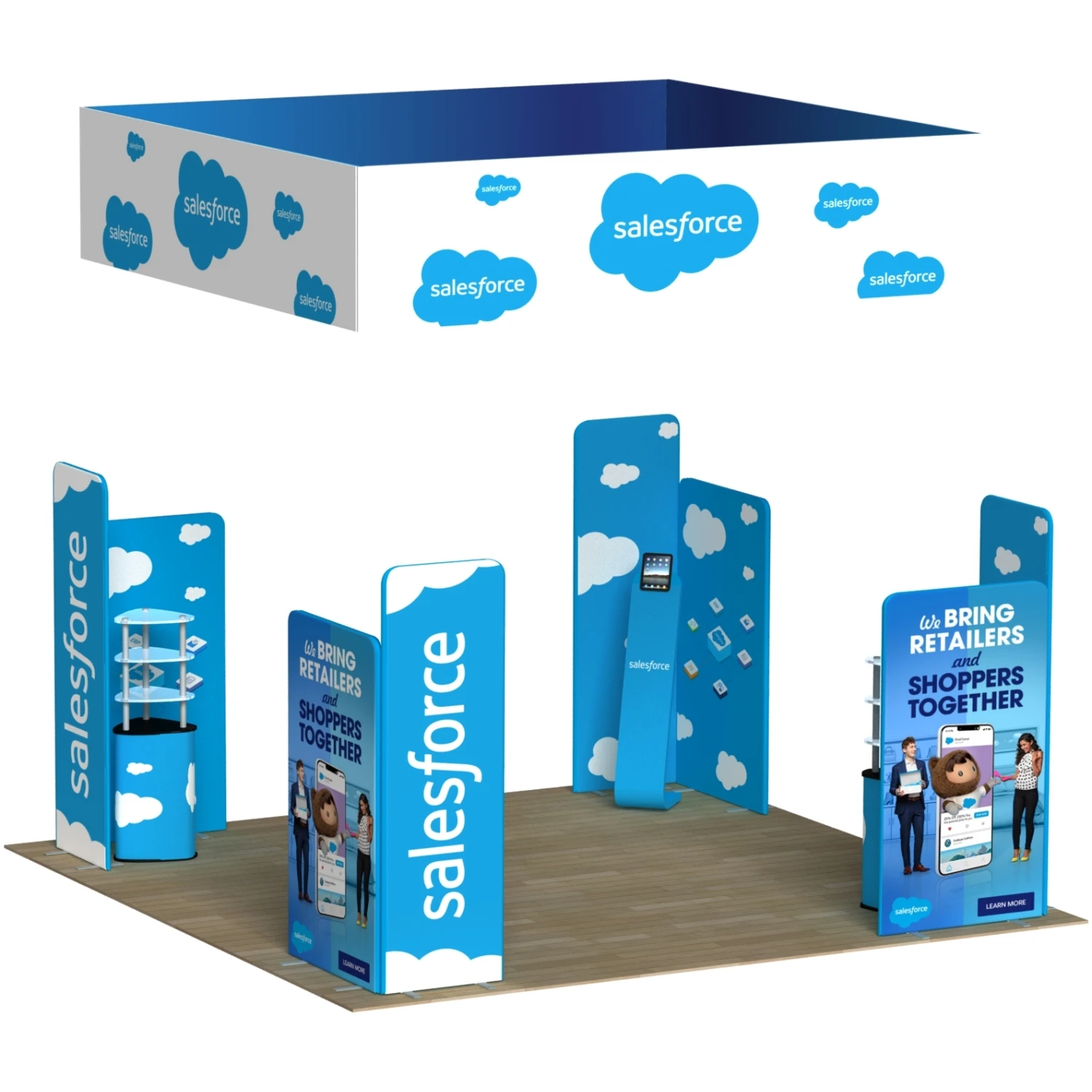
Backlit SEG Light Boxes Versus LED Walls
The first decision is which kind of light the booth needs. A backlit SEG light box is a still image done beautifully: LED edge or array lighting behind a tensioned silicone-edge graphic, giving an even, shadow-free glow that flatters product photography and brand color. It is quiet, reliable, and reads as premium without demanding content production. An LED video wall is the opposite posture: it is movement, brightness, and the ability to change what the wall says minute to minute. It pulls the eye from a long way off but needs content, more power, and more careful rigging.
Most Atlanta booths benefit from one or the other rather than both, and the choice usually follows the message. A brand selling on imagery and craft leans backlit; a brand selling on demonstration, data, or energy leans LED. Renting either keeps the decision low-stakes, because the same booth can carry a light box at one show and step up to an LED wall at the next without a capital purchase.
Reading Bright Inside GWCC and AmericasMart
The Georgia World Congress Center lights 1.5 million square feet of exhibit space across twelve halls to a workable, even level, which means no single booth gets help from the house lighting. That is exactly why backlit and LED displays earn their freight downtown: a glowing back wall stands out against a sea of evenly lit fabric. A backlit light box behind a demo counter, or a fine-pitch LED wall as the booth's centerpiece, gives a brand a beacon that survives the hall's neutral wash.
AmericasMart adds a different reason. With sixteen annual markets running through more than 7.2 million square feet of showroom space, buyers move fast and compare constantly, so an illuminated display helps a temporary exhibit hold its own against permanent, professionally lit showrooms. A backlit product wall reads as finished and intentional in that environment, which is often the difference between a buyer pausing and a buyer walking on.
Power, Pitch, and Rigging Details
Illuminated displays live or die on the technical plan. LED walls are specified by pixel pitch, and a closer viewing distance in a 10x20 or island calls for a finer pitch than a wall meant to be seen from across a hall. That choice drives panel count, weight, and power draw, all of which have to match the venue's electrical order and any rigging limits. At downtown venues where hanging structures fall under house and union rules, confirming suspension points and load early keeps an LED wall from becoming an install-day problem.
Backlit light boxes are far simpler but still need a dedicated circuit sized to the panel run, and the graphic itself has to be printed for transmitted light rather than reflected light so colors read true when lit. Renting from a program that handles the panels, the power spec, and the venue paperwork together is what turns these details into a delivered result rather than a checklist the exhibitor has to chase. The booth's AV and rigging plan should sit alongside the rest of the layout, the way it does for the modular trade show booths that often host these displays.
Scaling the Glow Across a Show Program
The strongest reason to rent backlit and LED displays is that booths grow and shrink across a season. A brand might run a single backlit light box at a tabletop or 10x10 early in the year, add a wider backlit back wall for a 10x20 at the Georgia World Congress Center, then mount a full LED wall for a flagship island at a major convention. Owning hardware for that range means buying for the biggest show and storing it the rest of the year; renting means paying for the glow each show actually needs.
It also keeps the technology current. LED panel quality and light-box efficiency improve quickly, and a rental program means each Atlanta show gets contemporary gear rather than aging inventory. Pairing the illuminated element with the right structural format, whether a portable frame or a full custom build, keeps the light working as part of the booth rather than bolted onto it.
FAQ
What is the difference between a backlit display and an LED wall?
A backlit SEG light box lights a still graphic from behind for an even, premium glow. An LED video wall is made of panels that show motion content and can change minute to minute, with more brightness, power, and rigging needs.
Why do Atlanta booths need illuminated displays?
Halls like the Georgia World Congress Center light their space evenly and neutrally, so no booth gets help from house lighting. A self-lit backlit or LED display stands out against that flat wash and reads from across the aisle.
Should I rent or buy backlit and LED gear?
Renting is the practical choice for most exhibitors. Illuminated hardware is heavy, dates quickly, and is sensitive to each venue's power and rigging rules, so a rental right-sizes the glow per show and keeps the technology current.
What is pixel pitch and why does it matter?
Pixel pitch is the spacing between LED pixels. Closer viewing distances in a 10x20 or island need a finer pitch, which drives panel count, weight, and power draw, so it has to match the venue's electrical and rigging limits.
Can a backlit display work in a small booth?
Yes. A single backlit SEG light box reads as premium even in a tabletop or 10x10 space, and it needs only a dedicated circuit rather than the rigging a full LED wall requires.
Related Atlanta scopes
Continue with a connected Atlanta scope.
Inquiry
Trade Show Display Rental of Atlanta
Rental-first Atlanta trade show systems designed around venue-aware planning, modular reuse, and cleaner show-floor execution.